A Chicago restaurateur is pairing his decades of industry experience with a central kitchen to meet consumers where they are prepared meals and more.
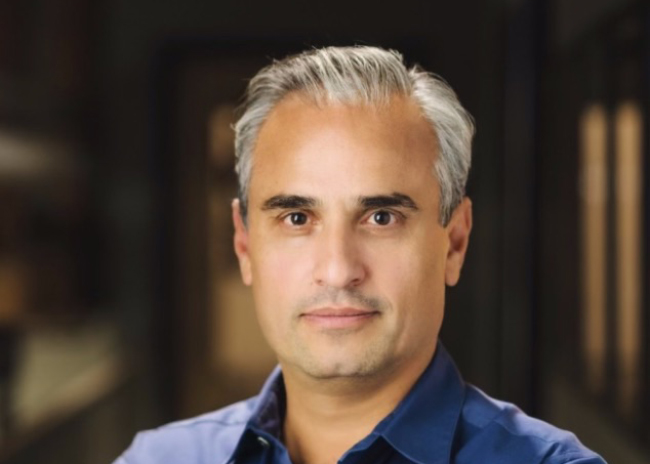 Bill Stavrou, CEO and founder of FoodHaulConsumers have an insatiable appetite for restaurant-quality food. It’s one of the many reasons that foodservice accounts for 53% of consumers’ food budgets, per the National Restaurant Association’s 2026 State of the Industry report. But what happens when a consumer wants a restaurant-quality meal but does not have the time or ability to visit a restaurant? That was the opportunity Bill Stavrou saw when he founded FoodHaul, a prepared meal company serving customers in Illinois, Michigan and Ohio.
Stavrou, FoodHaul’s CEO, is no stranger to the restaurant industry. He is the owner of Valley Lodge Tavern, a long-standing, high-volume neighborhood restaurant with two Chicagoland locations. Here he discusses FoodHaul’s approach to bringing restaurant-quality food to consumer kitchens.
Brand Snapshot: FoodHaul
- Founded: 2019
- Headquarters: Glenview, Ill.
- Type of foodservice operation: Prepared meals sold in grocery stores
- States served: Illinois, Ohio and Michigan
- Growth plans: Organic via supermarkets; hopes to reach 100 locations in the next 24 months
Q: What is FoodHaul? Who is its target audience?
A: It’s a prepared meals company. What makes us unique is a couple of things. First, we partner with some of America’s most famous chefs. We replicate their recipes to their standards. For example, tonight someone can order Fabio Viviani’s rigatoni al a vodka in Wilmette, Ill., or in Columbus, Ohio, and have the same meal they would have at Siena Tavern in Chicago. That’s just one example of the many chefs we work with. We are not a subscription-based platform. Customers can come in and get what they want when they want it. We partner with grocery stores so the consumer can pick it up when they do their normal grocery shopping.
Q: Where did the inspiration for FoodHaul originate?
A: For many people, making a commitment to a meal subscription program is a big deal. But the convenience of having access to a prepared meal when they want one is appealing, particularly if it’s customizable and available on demand. I’m in the restaurant business in Chicago, and FoodHaul started as a ghost kitchen model back in 2019. We went from licensing ghost kitchen concepts to offering prepared meals. We saw our concept very differently from the rest of the space. The idea of having access to these amazing chefs, many of whom I’ve worked with over the years, evolved into the prepared meal company we are today. What makes our company different is that we knew we had to produce a product that met our standards and the chef’s standards. We are committed to owning the process from end to end and have spent countless hours really perfecting the quality of our product.
Q: Wonder, which is fairly prominent on the East Coast, continues to make lots of headlines working with restaurants and chefs. Compare FoodHaul to Wonder.
A: Wonder is a fast-casual concept. You are basically going into a restaurant. It’s a new wave of a food hall. I’ve been to Wonder and it’s a really ambitious product, and you are buying a really good meal. Other than the fact that both use a marketplace of chefs, though, we see a significant difference between the two companies.
Q: Describe how you go about producing each product and making sure it meets the chef’s standards and FoodHaul’s standards.
A: We work from a central kitchen in Gurnee, Ill., and a local seafood wholesaler distributes the product for us. We have logistics buttoned up really well. The products have a 10-day shelf life; 8 days when it gets in the store. We produce each product to the exact specifications of each chef. If a chef wants us to sous vide something, we will do that. If the chef wants us to sear something on a flattop, we will do it. If they want us to bake a chicken for 25 minutes in a combi oven, we will do it. The only way a product will get to a consumer is when a chef approves it. They have full capability of auditing the product at any time and they have done a good job of keeping us on task.
Q: What made FoodHaul decide to operate within grocery stores? Why not open your own storefront?
A: We explored operating our own storefronts but found having a presence inside a grocery store as the most viable approach. Today we have a deal with a couple of grocery stores. It’s a store-within-a-store model. We have an employee in their stores selling our products. We train those people to sell our products similar to the way a server engages a guest in a restaurant setting. We will go through menu and ask about any food allergies, etc. They are really well educated about the menu items, why the chefs are relevant and more. This approach creates a curated experience.
Q: What are some of the lessons from your past experiences that you are using to help shape FoodHaul?
A: I believe businesses are always built on core items that make them successful. You need to standout in every way. You need that person who engages with you at the grocery store to be engaged and dressed properly. We put them in chef’s coats. We have built an experience. We have taken that same focus on quality that you have when you walk through the doors in a restaurant and brought it to a grocery store.
Q: What excites you about the future of FoodHaul?
A: It is an incredibly scalable business. We feel like we have found an avenue within prepared foods — the non-subscription side of the market — that’s untapped. Coming from a restaurateur background, we know how difficult scaling can be. Every time you open a new restaurant there’s a new staff to be trained and kitchens to run and so forth. Because we’ve centralized production, created our own process to deliver this incredible quality to the consumer, and have made inroads with grocery stores that want proprietary, unique offerings, that makes us feel we are just at the tip of the iceberg.